Wealth Creation vs Wealth Preservation: What Should You Focus on First?
As we work on our personal finances, every investor must make a critical decision about whether their primary goal is to create new wealth or to preserve existing wealth — at some point.
Both strategies are powerful. However, if the wrong strategy is employed at the wrong time, it may hinder your ability to financially progress.
In this blog, we will explore a framework that will provide you the guidance to determine your preferred prioritization regarding wealth creation, and/or whether you should take the time to preserve your wealth.
What is Wealth Creation?
Wealth Creation is the utilization of one or more of the various assets available to an individual that will grow over time.
Commonly, this is achieved through investments in high-growth instruments, such as:
- Equity mutual funds.
- Individual Stocks.
- Business Investments.
- Real Estate Appreciation.
The Reserve Bank of India has published reports showing that individuals with long-term equity investments as a portion of their overall investment portfolio have successfully outperformed the effects of inflation. (Inbound link: https://www.rbi.org.in)
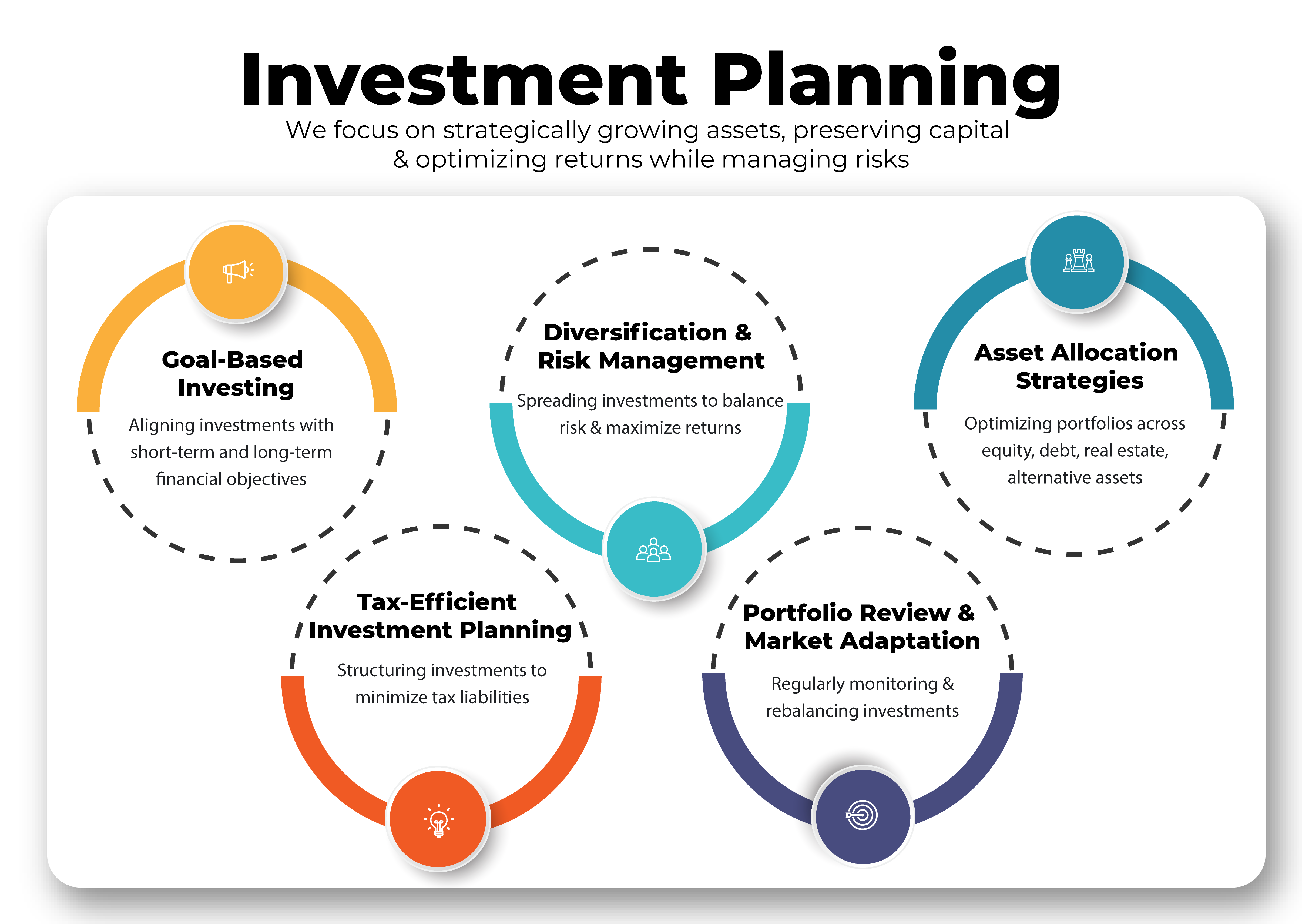
When creating wealth, the primary objective is to increase your capital through returns on your investments. While investing in high-growth instruments often has more risk than investing in other types of assets, the potential for high returns over the long term makes investing in high-growth assets an attraction to many investors when creating wealth.
If you are relatively early in your career, have an established source of steady income, and are at least 15 years away from retirement, your main focus should be on Wealth Creation.
What is Preservation of Wealth?
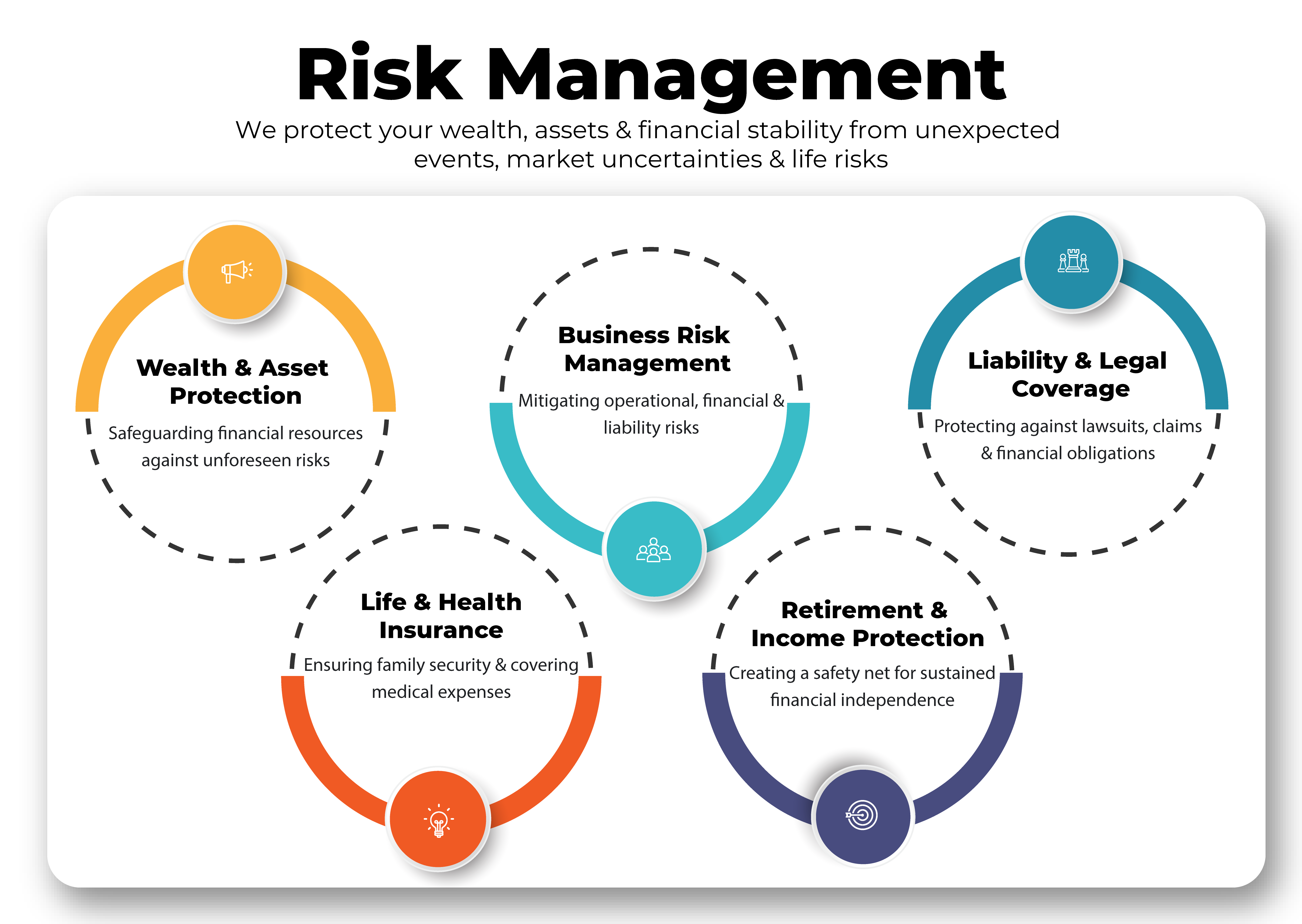
Preservation of Wealth has the purpose of protecting capital that has been accumulated over time. The main concern of Wealth Preservation is keeping the value of the assets stable, managing risk effectively, and providing consistent income.
Wealth Preservation uses the following types of investments:
- U.S Treasury Securities.
- Bond Funds.
- A Debt Fund.
- Gold Coins.
- A Conservative Asset Allocation Policy.
Paying attention to the 4,000 pages of guidelines pertaining to Wealth Preservation is a given when you’re getting ready for retirement or accumulating a substantial amount of money. You also need to look at your age and amount of risk tolerance when investing.
Some of the reasons to focus on Protection of Wealth are:
- You’re nearing retirement.
- You’ve already built up a large amount of money.
- Your primary concern is your income and secondarily about having your money grow aggressively.
- You’re feeling strained with all of the volatility in the market.
At some point in time, the primary focus of investment is preservation of capital, then the focus changes to creating additional capital grow quickly.
When Should You Focus On Wealth Creation First?
You should focus on Wealth Creation if:
- You’re between the ages of 20 – 40.
- You have a guaranteed income.
- You have cash in an emergency fund.
- You are investing for long-term.
- You can withstand short-term volatility.
Early stage investors through the Wealth Creation versus Wealth Preservation debate have future value by investing in growth assets.
It takes time to achieve compounding benefits and if you start early in life you will have less pressure later in your life.
When Should Wealth Preservation Take Priority?
You should always have wealth preservation as your primary focus if:
- Your retirement is 5-10 years away
- You have a large investment account
- You rely on the money you make from your investments to support you
- You prefer safety for your capital versus rapid growth
- If the economy has declined significantly within a few years of retirement, the time it will take for you to recover could create a need to reduce risk – making this an essential part of your overall strategy.
The Smart Strategy:
Your wealth creation strategies versus your wealth preservation strategies will not be binary (i.e., one or the other). Your best options for adjusting your allocation are through gradual changes.
For example, the following will be a representative lifecycle allocation model:
- Early stages = 70-80% growth assets.
- Mid-life = 60% growth assets / 40% safety assets.
- Late stage = 30-40% growth assets / most safety assets.
Asset allocation strategy will trump timing the market.
Diversifying your portfolio location and re-balancing your portfolio periodically will help to eliminate, to a great extent, the emotion involved in making financial decisions.
Conclusion?
Wealth creation vs. preservation are determined by several key variables: your age, financial situations, and your risk tolerance.
When you are in the early phases of your career, your goal is to create wealth. As retirement gets closer, however, the focus shifts more towards preserving the wealth that you have created.
Success does not come from extreme positioning; it comes from the strategic ability to transition away from one focus (e.g., creating) to the other (e.g., preserving).
If you need help determining whether you need a certified financial planner or if your current financial strategy aligns with your long-term goals, consult with a qualified professional. For More Info: MYOWNCFO..
Related
Discover more from MyownCFO
Subscribe to get the latest posts sent to your email.