Why Chasing Best Returns Is the Biggest Investing Mistake
There are a lot of investors who feel that they should seek the best returns in order to increase wealth. Nevertheless, the most significant investing error to make is to pursue the best returns. This widely used technique appears appealing during bull markets, but this usually ruins wealth in the long term.
This contrarian guide will teach you the reasons why you should not concentrate on the best-performing assets to achieve poor performance and what ought to be done instead.
The Reason Investors Begin to Pursue Best Returns
It makes sense to follow the optimal returns. In case an asset has been performing 30% of what it did last year, then it would appear to be safe to expect that it will be performing well.
Nevertheless, the motivation behind this behavior is
- Recency bias
- Fear of missing out (FOMO)
- Media and influencer social evidence.
- Comparison of performance in the short term.
In a study conducted by Dalbar Inc., it was found that the typical investor performs very poorly compared to the market due to bad timing. Investors would purchase high and sell low. To study the similar investor behavior on the official SEC site, visit https://www.sec.gov/investor.
The pattern is simple. When returns have been good, the prices are often high.
The Real Issue of Pursuing Best Returns
You Buy at Peak Valuations
Demand surges when an investment records the highest returns. With the increase in demand, the valuations are stretched. This minimizes potential returns in the future.
High price implies less margin of safety.
You, Sarah, increase risk without knowing it.
Assets that have the best returns tend to be volatile. You think you are performance oriented. The fact is that you are growing downside risk.
You Violate Long-Term Discipline
Creation of wealth needs a regularity. In search of optimal returns, there is the motivation of switching. This leads to:
- Higher transaction costs
- Tax inefficiencies
- Emotional decision-making
In the long run, punishment outdoes performance-seeking.
Why Chase Best Returns? It is the biggest investing mistake (contrarian view)
There is one principle that applies to a contrarian investor:
The future returns are based on how much it is paid and not what was done.
Liquidity is driven into hot investments by everyone, and the returns are anticipated to be reduced. It is the opposite of what smart investors do. They seek underestimated, neglected, or stable assets.
Instead of asking:
What made the most profit last year?
Ask:
What will give decent returns at controlled risk in the next 10 years?
This is the change of attitude that transforms all.
What you ought to do instead of taking the best returns
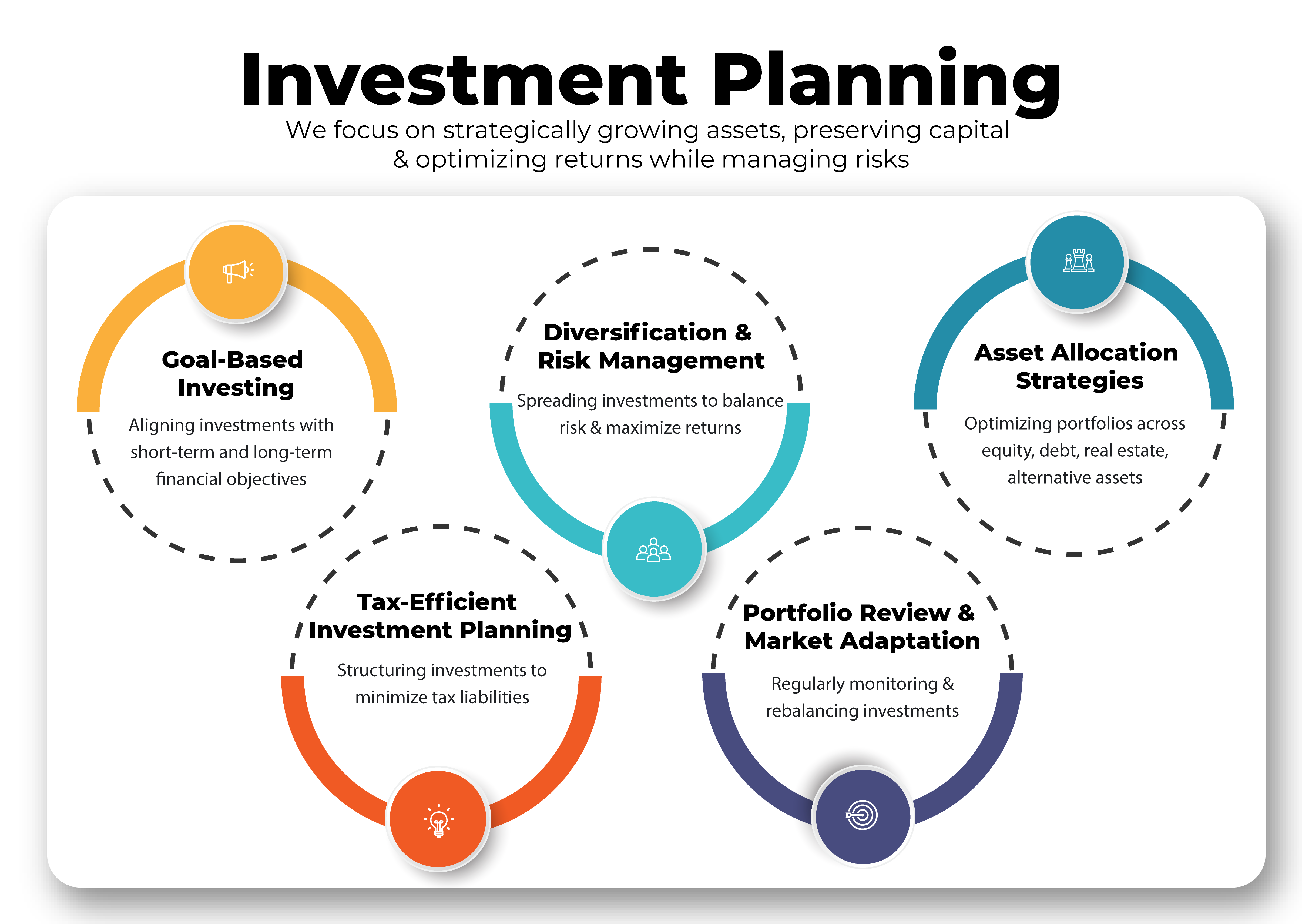
Focus on Asset Allocation
A solid asset allocation plan eliminates the necessity to pursue the best returns. It is the diversification of risk.
Invest on the Basis of Objectives and not Results
The portfolio you have should indicate:
- Financial goals
- Risk tolerance
- Investment horizon
Not last year’s winners.
Stick to a Systematic Investment Plan
Emotional errors are minimized by disciplined investing, i.e., SIP or periodic investing. It makes you make purchases regularly as opposed to buying with feelings.
Review, Don’t React
Look through your portfolio once a year. Do not switch too often according to the market noise.
The Psychology of Chasing Performance
Pursuing best returns is not a strategy issue. It is a behavioral problem.
Human beings are programmed to be fashionable. We are less scared to be in the mass. Nevertheless, markets do not reward popularity but patience.
The academic findings of behavioral finance indicate that emotional investment performs worse than the actual returns. The more prolific the investor, the lesser the average outcome.
Rational decision-making is better than excitement.
Summing Up: Sustainable Wealth Beats Best Returns
In the short run, pursuing the best returns can appear to be clever. Nevertheless, the largest investing error of long-term wealth builders is to pursue the best returns.
Real wealth grows through:
- Discipline
- Diversification
- Patience
- Risk management
The market is adding more consistency rather than excitement.
To create wealth, which will last, then get off of headlines. Start building strategy.
For More Info : MYOWNCFO….
Related
Discover more from MyownCFO
Subscribe to get the latest posts sent to your email.